Holy Bible Reina Valera 1960
Daily Bible AppsBooks & Reference
4.95.16K Reviews
- Version
- 15.1
- Installs
- 1.00M
- Age Rating
- Everyone
Screenshots
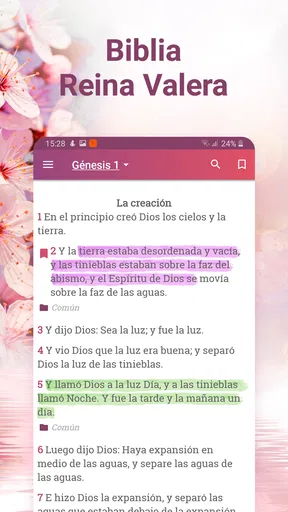
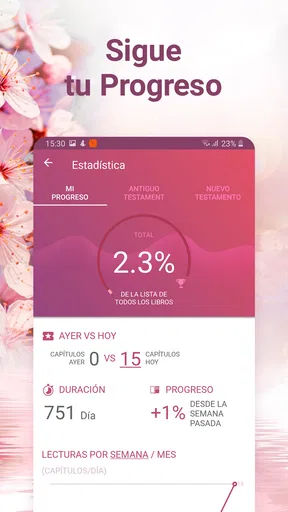
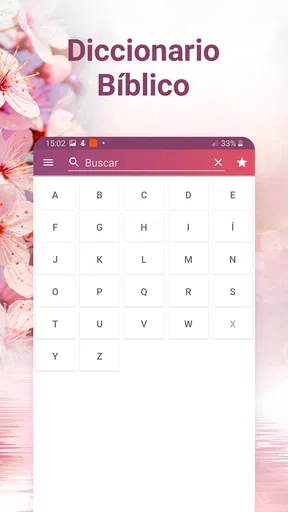
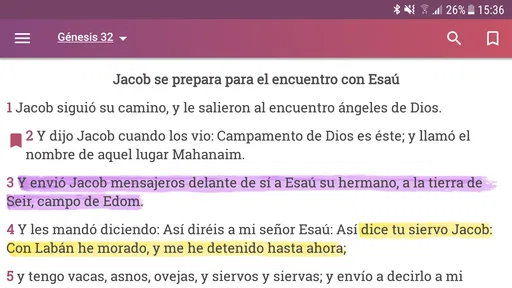
Our Review of Holy Bible Reina Valera 1960
 Analysis by Appyee
I usually judge a Bible app by a simple question: does it make reading Scripture easier in the moments when I actually need it? Holy Bible Reina Valera 1960 is aimed at Spanish-speaking readers who want the Reina-Valera 1960 translation in a straightforward mobile format, with reference tools and audio included in the overall experience. After spending time with it, I see it less as a flashy study platform and more as a practical companion for daily reading, personal prayer, church preparation, and quick consultation.
That focus matters. The app belongs to the Books & Reference category, is free to download, and is suitable for Everyone. It comes from Daily Bible Apps, has reached over a million installs, and holds a 4.9 average from around 107 thousand ratings. Those figures do not replace personal testing, but they do suggest that the app has found a large audience among people who specifically want this Spanish Bible edition rather than a broad collection of unrelated religious content.
How I would decide whether this Bible app fits
My first decision criterion would be translation. If you read comfortably in Spanish and specifically prefer Reina-Valera 1960, this app starts with a meaningful advantage. The wording and rhythm of that edition are familiar to many churches, families, and study groups. If you are looking for several translations side by side, a highly academic research suite, or a general reading app with books from many traditions, your choice may be different.
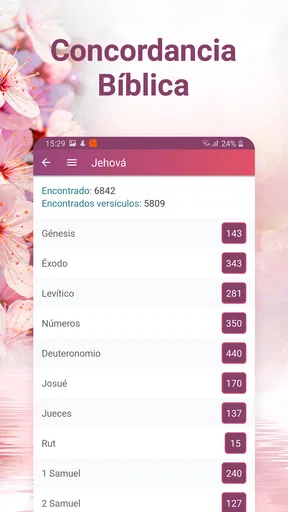
The second criterion is how you read. Some people open a Bible app for a verse, search it, and close the app. Others want a longer session, audio playback, cross-references, word definitions, and a way to move from one passage to another without leaving the phone. The inclusion of Concordance, Dictionary, and Audio makes this more useful than a bare digital text, especially when I want to investigate a word or listen while doing something else.
I also consider friction. A good mobile Bible should let me reach a familiar book quickly, read without feeling lost, and use reference tools without turning every session into a technical project. This app’s appeal is its directness. It presents the Reina-Valera 1960 as the center of the experience instead of making the reader choose among too many starting points.
What the reading experience is best suited to
For regular reading, I would use it in short, repeatable sessions. A realistic example is a quiet commute or a few minutes before bed: I can open a selected passage, read a chapter, and then switch to audio when my eyes are tired. On another day, I might search for a verse mentioned at church and use the dictionary or concordance to explore the surrounding language. That combination turns a quick lookup into a small study session without requiring a separate printed Bible and reference book.
It is also a sensible choice for someone returning to Bible reading after a long break. The familiar translation removes one possible obstacle, while the phone format makes the text available in the same device many people already carry. I would not expect it to replace every physical Bible on a shelf, but it can make consistency easier when carrying a larger book is inconvenient.
Where the focused design wins
The strongest point is the match between the app and a specific reading preference. If Reina-Valera 1960 is the edition you already know, the app avoids the uncertainty that comes with opening a platform where the desired translation is buried among numerous options. The best reason to choose it is not the number of extras; it is the combination of a familiar Spanish text and practical tools around it.
The dictionary and concordance are particularly valuable when used with a purpose. Instead of searching randomly, I find it more effective to begin with a passage, identify a word or theme that seems important, and then use the reference material to follow that thread. This workflow is more useful than treating the concordance as a novelty. It can help a reader notice repeated terms, compare how a word appears in different contexts, and prepare a question for a group discussion.
Audio adds another kind of flexibility. I would use it for listening during a walk, while preparing breakfast, or when I want to hear the cadence of a passage rather than only scan it visually. Listening is not a substitute for careful reading, especially when I need to examine wording, but it changes the app from a static reference into something that can fit around ordinary routines.
The app is also a good fit for informal sharing. If a friend or relative asks about a verse, I can consult the text and its surrounding passage without searching through a browser full of unrelated results. That matters because a Bible app should reduce distractions, not introduce more of them. The focused category and Spanish-language presentation make the purpose clear as soon as I open it.
Small habits that make the tools more useful
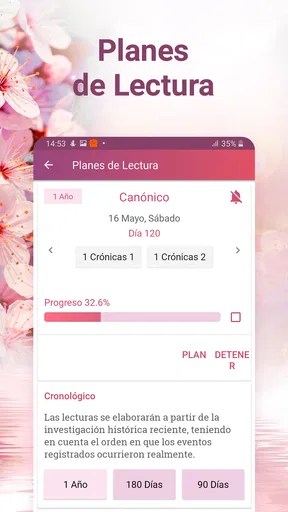
I would recommend starting with a reading plan of my own rather than jumping between isolated verses. For example, I might choose one Gospel passage for the day, listen to the same section afterward, and then use the concordance only for a word that genuinely stands out. This keeps the reference tools from interrupting the main reading and gives the app a repeatable rhythm.
A second useful habit is to search by context rather than stopping at the first result. When I find a familiar verse, I would read the surrounding section before deciding what it means for my question. The app’s reference features are most helpful when they support that broader reading instead of encouraging verse collecting.
A third is to reserve audio for different kinds of passages. Narrative sections can work well for listening during a walk, while dense teaching or poetry may deserve visual reading with the text in front of me. That simple division prevents the audio feature from becoming a passive background track and makes it part of a more deliberate routine.
Where another type of Bible app may fit better
This app may not be the right choice for readers who want an extensive multi-translation study environment. A platform built around comparing languages, translations, commentaries, maps, original-language tools, or scholarly notes may be better for seminary work or detailed academic research. I would choose that kind of alternative when the main task is comparison rather than comfortable reading in one established Spanish edition.
It may also be less suitable for someone who wants a broad devotional ecosystem. Some Bible applications emphasize daily reflections, community interaction, video teaching, worship material, or structured programs. Those experiences can be valuable, but they serve a different purpose. Here, the Bible text and its supporting tools remain the center, so readers wanting a social or multimedia hub should compare categories rather than assume every Bible app offers the same experience.
There is another trade-off for people who strongly prefer physical books. A phone brings convenience, audio, and quick search, but it also brings notifications, a smaller reading surface, and the temptation to switch apps. I would keep using a printed Bible for extended study if I found the screen tiring or wanted to mark pages by hand. The mobile version is strongest when availability and search matter more than the tactile experience.
Readers who do not use Spanish should skip this particular choice in favor of an app built around their preferred language. Likewise, someone who wants a modern paraphrase or a translation designed for very accessible contemporary wording should not select an app simply because it includes audio and reference tools. Translation preference should come before feature count.
What the free model means in everyday use
The app is free, which makes it easy to try without committing money first. It also includes in-app purchases priced at $2.99 per item. I would treat that as a reason to explore the basic reading experience before deciding whether any optional purchase is worthwhile. The important question is not whether the app is free in name, but whether the free portion already covers the reading and lookup habits I care about.
For a casual reader, the no-cost entry is a clear advantage. Someone who only needs Spanish Scripture, occasional searching, and audio may find enough value without changing their routine. A more committed user should take a few days to test the exact tools they expect to use repeatedly. If the app becomes part of daily study, understanding which extras are optional helps avoid paying for features that do not improve the personal workflow.
The cost of switching from another Bible app is mostly practical rather than financial. I would need to become familiar with the navigation, rebuild my preferred reading routine, and decide whether the Reina-Valera 1960 text is the edition I want to keep using. If I already rely on notes, bookmarks, or study material in another platform, I would not move automatically. I would first compare the features I use every week, not the features that look impressive in a store description.
That comparison should include four simple tests: how quickly I can reach a known passage, whether the reference tools answer the questions I actually ask, whether audio fits my routine, and whether the translation feels natural for my reading community. If this app wins those tests, switching is reasonable. If it only wins because it is free, the change may not last.
Compatibility and practical expectations
The current version is 15.1, and the app requires Android 7.0 or later. That makes the minimum operating-system requirement relevant for anyone using an older Android phone. I would check the device before planning to rely on it for travel, church, or daily reading. On a compatible phone, the app’s value comes from being available when a physical Bible is not nearby, but compatibility still comes first.
Because the content rating is Everyone, it is also a reasonable option for a household where different age groups may use the same device. That does not mean every reader will want the same translation or tools, but the presentation is suitable for general access. Parents, older relatives, and church members can approach it for different reasons without needing a specialized technical background.
I would still keep expectations realistic about mobile reading. A phone is excellent for searching, listening, and carrying Scripture everywhere, but less ideal for comparing several pages at once or studying with many books open around me. This is where the app’s focused design helps and limits it at the same time: it keeps the experience approachable, while readers with demanding research habits may eventually want a broader reference setup.
My recommendation for different kinds of readers
I recommend Holy Bible Reina Valera 1960 to Spanish-speaking readers who already value that translation and want a free, accessible app with more than plain text. It is especially suitable for daily reading, quick verse lookup, listening during routine activities, and modest personal study using the concordance and dictionary. The large user base and 4.9 average are reassuring signs, but my recommendation rests more on the clear fit between its tools and those use cases.
I would recommend it less strongly to advanced researchers, readers who need several translations at once, people seeking a large devotional community, or anyone who does most serious study on paper. Those users may be happier with a different category of app or with a combination of a physical Bible and specialized reference resources.
For someone unsure, my advice is simple: install it, read a passage you already know well, listen to that section, and use the concordance on one word that interests you. Then ask whether those actions feel natural enough to repeat. If they do, the app has probably earned a place in your routine. If you find yourself immediately searching for another translation, extensive commentary, or collaborative study tools, that is a useful answer too.
My final view is positive but specific. This is not trying to be every kind of Bible platform at once. It is a focused Spanish reading and reference app from Daily Bible Apps, centered on Reina-Valera 1960 and strengthened by audio, dictionary, and concordance tools. For readers who want familiar Spanish Scripture close at hand without a complicated setup, it is an easy recommendation. For everyone else, the right decision depends on whether that translation and straightforward workflow match the way they genuinely read.
Verdict
Strengths of Holy Bible Reina Valera 1960
- Works offline after downloading the selected Bible version.
- Includes the classic Reina-Valera 1960 Spanish translation.
- Simple interface makes browsing books and chapters easy.
- Search helps locate verses using words or phrases.
- Useful for personal reading, study, and church activities.
Limitations of Holy Bible Reina Valera 1960
- The 1960 language may feel old-fashioned to some readers.
- Some features may require internet access or additional downloads.
- Limited study notes compared with dedicated Bible study apps.
- Advertisements may appear in the free version.
- Navigation and design may feel basic for modern app users.
Similar Picks in This Category
View All
Google Play Books & Audiobooks
Google LLC4.7

네이버 - NAVER
NAVER Corp.3.5

Wattpad - Read & Write Stories
Wattpad.com3.7

King James Bible - Verse+Audio
Ozion4.8

Bible Offline-KJV Holy Bible
Bíblia Offline4.9

Amazon Kindle: Reading App
Amazon Mobile LLC4.8
Frequently Asked Questions
What is the Holy Bible Reina Valera 1960 app?
Holy Bible Reina Valera 1960 is a Spanish-language Bible app based on the widely recognized Reina-Valera 1960 translation. It generally provides access to the Old and New Testaments in a mobile-friendly format, allowing users to read Scripture by book and chapter. Depending on the version available, it may also include search tools, bookmarks, notes, sharing options, reading plans, and daily verses.
Does the app work offline after downloading the Bible?
In most editions, the Bible text can be downloaded or accessed for offline reading, which is useful when traveling, attending church, or using the app without a stable internet connection. However, features such as advertisements, synchronization, audio content, or online devotionals may still require connectivity. Before relying on offline access, open several books and chapters while connected to confirm that the selected content is stored properly.
Is the Reina Valera 1960 translation suitable for modern readers?
The Reina-Valera 1960 is one of the most popular Spanish Bible translations among Protestant and evangelical readers. Its language is formal and traditional, so some expressions may feel older compared with contemporary Spanish translations. That style is valued by many users for worship, memorization, and study, but readers unfamiliar with traditional biblical Spanish may need a dictionary, commentary, or a second translation for additional context.
What reading and study features does the app offer?
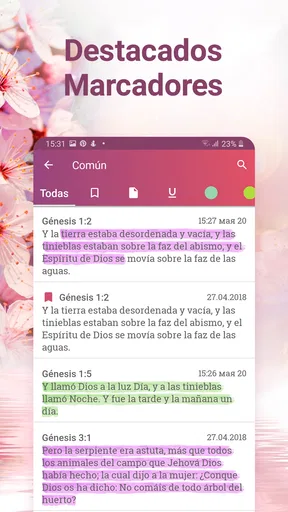
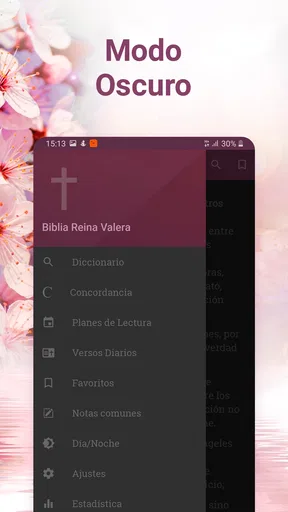
The available features can vary according to the developer and app edition, but users commonly find chapter navigation, keyword search, bookmarks, highlights, personal notes, sharing, and adjustable text settings. Some versions may also offer audio Bible playback, reading plans, night mode, or daily notifications. It is worth checking the app listing carefully because not every Reina-Valera 1960 app includes all of these tools.
Is Holy Bible Reina Valera 1960 free and safe to download?
Many Reina-Valera 1960 Bible apps are free to install, although they may contain advertising, optional purchases, or premium features. Before downloading, verify the publisher, user reviews, update history, requested permissions, and privacy policy in the official Google Play Store or Apple App Store. Avoid modified APK files and unofficial download pages, since they can expose your device or personal information to unnecessary security risks.
